

图论

图论

LuluyLand

1. 岛屿问题

1.1. DFS遍历基本结构

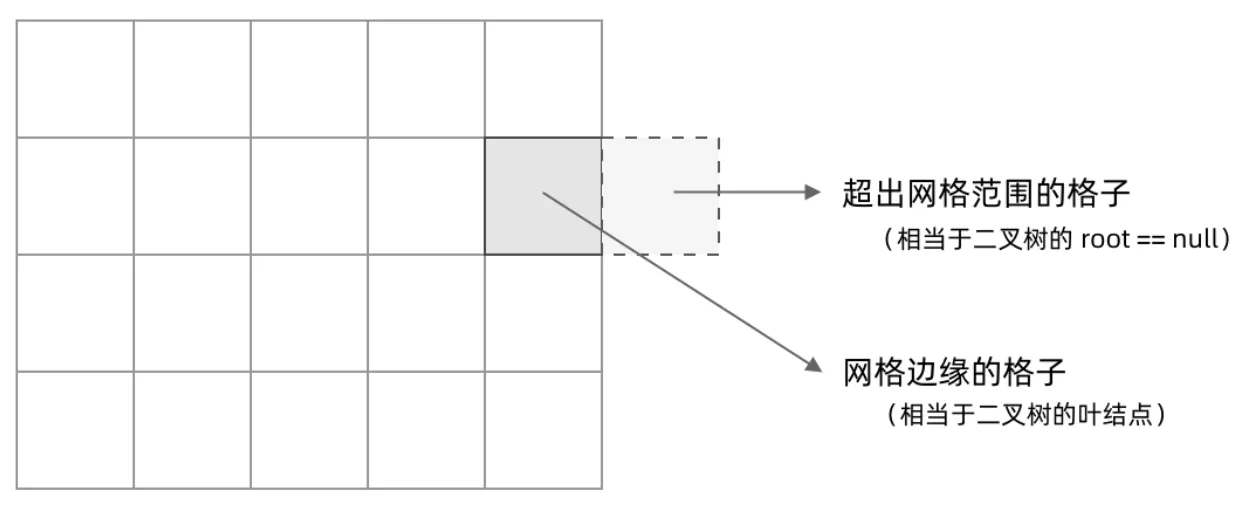
DFS遍历关键点:①相邻结点 ②判断base case
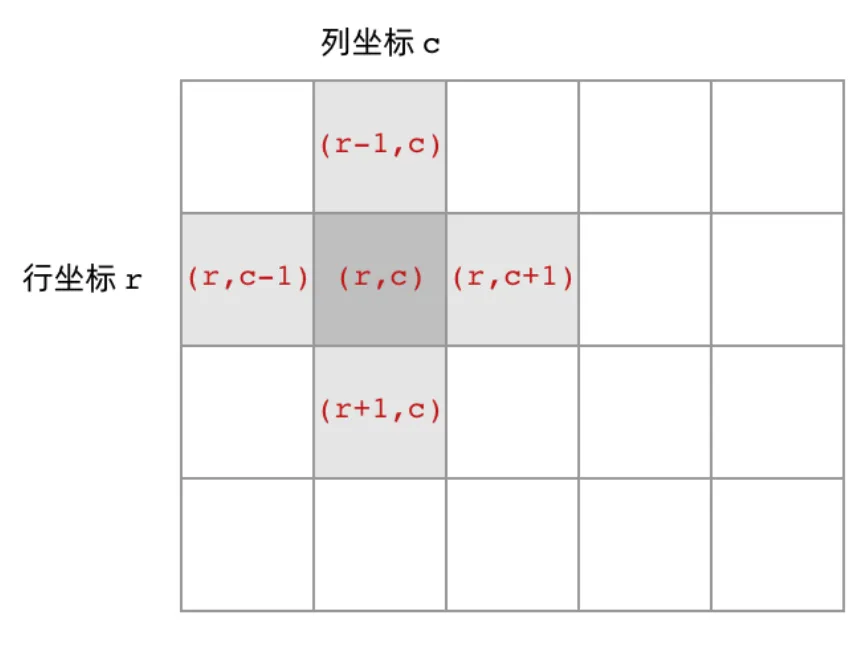
图片1 图片2

避免重复遍历:标记——0 - 海洋; 1 - 陆地(未遍历);2 - 陆地(已遍历)

1
2
3
4
5
6
7
8
9
10
11
12
13
14
15
16
17
18
19
20
21
22
23
24
25
26
void dfs(int[][] grid, int r, int c){
//1. 判断base case
if(!inArea(grid, r, c)){
return;
}

//2. 如果不是岛屿,直接返回
if(grid[r][c] != 1){
return;
}

//3. 标记为已遍历
grid[r][c] = 2;

//4. 访问上下左右四个相邻结点
dfs(grid, r-1, c);
dfs(grid, r+1, c);
dfs(grid, r, c-1);
dfs(grid, r, c+1);
}

//判断坐标(r,c)是否在网格中
boolean inArea(int[][] grid, int r, int c){
return r>=0 && r<grid.length
&& c>=0 && c<grid[0].length
}

1.2. BFS遍历基本结构

1
2
3
4
5
6
7
8
9
10
11
12
13
14
15
16
17
18
19
20
21
22
23
24
25
26
27
28
29
30
31
32
33
34
35
36
37
38
39
40
41
42
43
44
45
46
47
48
49
public void bfs(int[][] matrix, int i, int j){
if(!inArea(matrix, i, j){
return;
}

int n = matrix.length;
int m = matrix[0].length;

// 存储待访问结点
Queue<int[]> queue = new LinkedList<>();
// 标记是否被王文
boolean[][] visited = new boolean[n][m];

//起始节点加入
queue.offer(new int[]{i, j});

// 开始广度优先搜索
while(!queue.isEmpty()){
int[] current = queue.poll();
int cur_i = current[0];
int cur_j = current[1];
//访问当前结点的操作...
// System.out.println(matrix[cur_i][cur_j]);

//遍历当前结点的相邻节点
if(inArea(matrix, cur_i-1, cur_j)){
queue.offer(new int[]{cur_i-1, cur_j});
visited[cur_i-1][cur_j] = true;
}
if(inArea(matrix, cur_i+1, cur_j)){
queue.offer(new int[]{cur_i+1, cur_j});
visited[cur_i+1][cur_j] = true;
}
if(inArea(matrix, cur_i, cur_j-1)){
queue.offer(new int[]{cur_i, cur_j-1});
visited[cur_i][cur_j-1] = true;
}
if(inArea(matrix, cur_i, cur_j+1)){
queue.offer(new int[]{cur_i, cur_j+1});
visited[cur_i][cur_j+1] = true;
}
}


}

public boolean inArea(int[][] matrix, int i, int j){
return i >= 0 && i < matrix.length && j >= 0 && j < matrix[0].length;
}

2. 最短路径

2.1. Dijkstra算法

适合场景:单源最短路径,权值非负

1. 三部曲
  1. 选源点到哪个节点近且该节点未被访问过
  2. 标记该节点
  3. 更新非访问节点到源点距离(minDist数组)
2. 重要数组

minDist[n]:记录每个节点距离源点的最小距离

3. 代码框架
1
2
3
4
5
6
7
8
9
10
11
12
13
14
15
16
17
18
19
20
21
22
23
24
25
26
27
28
29
30
31
32
33
34
35
36
37
38
39
40
41
42
43
44
45
46
47
48
49
50
51
52
53
54
55
56
57
import java.util.*;

public class Main{
Scanner scanner = new Scanner(System.in);
int n = scanner.nextInt(); //节点个数
int m = scanner.nextInt(); //边个数
int[][] grid = new int[n+1][n+1]; //节点编号从1开始,存储图
int[] minDist = new int[n+1]; //源点到每个节点的最短路径
boolean[] visited = new boolean[n+1]; //顶点是否被访问过

Arrays.fill(minDist, Integer.MAX_VALUE);
for(int i = 0; i <= n; i++){
Arrays.fill(grid[i], Integer.MAX_VALUE); //最大值填充
}
for(int i = 0; i < m; i++){
int p1 = scanner.nextInt();
int p2 = scanner.nextInt();
int val = scanner.nextInt();
grid[p1][p2] = val;
}

int start = 1;
int end = n;
minDist[start] = 0; //起始点到自身距离为0

for(int i = 1; i <= n; i++){ //遍历所有节点
int minVal = Integer.MAX_VALUE;
int cur = 1; //本轮选择的节点

//1.选距离源点最近且未访问过的节点
for(int v = 1; v <= n; v++){
if(!visited[v] && minDist[v] < minVal){
minVal = minDist[v];
cur = v;
}
}

//2. 标记该结点被访问过
visited[cur] = true;

// 3.更新非cur节点到原点距离
for(int v = 1; v <= n; v++){
if(!visited[v]
&& grid[cur][v] != Integer.MAX_VALUE
&& minDist[cur] + grid[gur][v] > minDist[v]){
minDist[v] = minDist[cur] + grid[gur][v];
}
}
}

if(minDist[end] == Integer.MAX_VALUE){
System.out.println(-1); //不能到达终点
}
else{
System.out.println(minDist[end]);
}
}

用堆优化后

1
2
3
4
5
6
7
8
9
10
11
12
13
14
15
16
17
18
19
20
21
22
23
24
25
26
27
28
29
30
31
32
33
34
35
36
37
38
39
40
41
42
43
44
45
46
47
48
49
50
51
52
53
54
55
56
57
58
59
60
61
62
63
64
65
66
67
68
69
70
71
72
73
74
75
76
77
78
79
80
81
82
83
import java.util.*;

class Edge{
int to; //邻接顶点
int val; //边权重

Edge(int to, int val){
this.to = to;
this.val = val;
}
}

class Pair<U,V>{
public final U first; //节点编号
public final V second; //最短路径

public Pair(U first, V second){
this.first = first;
this.second = second;
}
}

class MyComparator implements Comparator<Pair<Integer, Integer>>{
@Override
public int compare(Pair<Integer, Integer> lhs, Pair<Integer, Integer> rhs){
return Integer.compare(lhs.second, rhs.second);
}
}

public class Main{
public static void main(String[] args){
Scanner scanner = new Scanner(System.in);
int n = scanner.nextInt(); //节点数
int m = scanner.nextInt(); //边数
List<List<Edge>> grid = new ArrayList<>(n+1);//邻接表
int[] minDist = new int[n+1]; //到源点最短路径
Arrays.fill(minDist, Integer.MAX_VALUE);
boolean[] visited = new boolean[n+1]; //记录是否被访问过

for(int i = 0; i <= n; i++){
grid.add(new ArrayList<>());
}
for(int i = 0; i < m; i++){
int p1 = scanner.nextInt();
int p2 = scanner.nextInt();
int val = scanner.nextInt();
grid.get(p1).add(new Edge(p2, val);
}

int start = 1, end = n;
minDist[start] = 0;

//优先队列存放Pair<节点,源点到该节点的权值
PriorityQueue<Pair<Integer, Integer>> pq = new PriorityQueue<>(new MyComparator());
// 初始化队列
pq.add(new Pair<>(start, 0));


while(!pq.isEmpty()){
// 1.选源点到哪个节点近且该节点未被访问过(通过优先级队列实现)
Pair<Integer, Integer> cur = pq.poll();
if(visited[cur.first]) continue;

// 2.标记该节点
visited[first] = true;

// 3.更新minDist数组
for(Edge edge : grid.get(cur.first)){
if(!visited[edge.to] && minDist[cur.first] + edge.val < minDist[edge.to]){
minDist[edge.to] = minDist[cur.first] + edge.val;
pq.add(new Pair<>(edge.to, minDist[edge.to]));
}

}

if (minDist[end] == Integer.MAX_VALUE) {
System.out.println(-1); // 不能到达终点
} else {
System.out.println(minDist[end]); // 到达终点最短路径
}

}
}

2.2. Floyd算法

适合场景:多源最短路径、可正可负、动态规划

1
2
3
4
5
6
7
8
9
10
11
12
13
14
15
16
17
18
19
20
21
22
23
24
25
26
27
28
29
30
31
32
33
34
35
36
37
38
39
40
41
42
43
44
45
46
47
48
49
50
51
52
53
54
55
56
57
58
59
60
61
62
63
64
65
66
67
68
69
70
71
72
73
74
75
76
77
78
79
80
81
82
83
import java.util.*;

class Edge{
int to; //邻接顶点
int val; //边权重

Edge(int to, int val){
this.to = to;
this.val = val;
}
}

class Pair<U,V>{
public final U first; //节点编号
public final V second; //最短路径

public Pair(U first, V second){
this.first = first;
this.second = second;
}
}

class MyComparator implements Comparator<Pair<Integer, Integer>>{
@Override
public int compare(Pair<Integer, Integer> lhs, Pair<Integer, Integer> rhs){
return Integer.compare(lhs.second, rhs.second);
}
}

public class Main{
public static void main(String[] args){
Scanner scanner = new Scanner(System.in);
int n = scanner.nextInt(); //节点数
int m = scanner.nextInt(); //边数
List<List<Edge>> grid = new ArrayList<>(n+1);//邻接表
int[] minDist = new int[n+1]; //到源点最短路径
Arrays.fill(minDist, Integer.MAX_VALUE);
boolean[] visited = new boolean[n+1]; //记录是否被访问过

for(int i = 0; i <= n; i++){
grid.add(new ArrayList<>());
}
for(int i = 0; i < m; i++){
int p1 = scanner.nextInt();
int p2 = scanner.nextInt();
int val = scanner.nextInt();
grid.get(p1).add(new Edge(p2, val);
}

int start = 1, end = n;
minDist[start] = 0;

//优先队列存放Pair<节点,源点到该节点的权值
PriorityQueue<Pair<Integer, Integer>> pq = new PriorityQueue<>(new MyComparator());
// 初始化队列
pq.add(new Pair<>(start, 0));


while(!pq.isEmpty()){
// 1.选源点到哪个节点近且该节点未被访问过(通过优先级队列实现)
Pair<Integer, Integer> cur = pq.poll();
if(visited[cur.first]) continue;

// 2.标记该节点
visited[first] = true;

// 3.更新minDist数组
for(Edge edge : grid.get(cur.first)){
if(!visited[edge.to] && minDist[cur.first] + edge.val < minDist[edge.to]){
minDist[edge.to] = minDist[cur.first] + edge.val;
pq.add(new Pair<>(edge.to, minDist[edge.to]));
}

}

if (minDist[end] == Integer.MAX_VALUE) {
System.out.println(-1); // 不能到达终点
} else {
System.out.println(minDist[end]); // 到达终点最短路径
}

}
}

参考链接

  • 标题: 图论
  • 作者: LuluyLand
  • 创建于 : 2025-04-14 22:38:34
  • 更新于 : 2025-04-20 15:13:18
  • 链接: https://luluy233.github.io/2025/04/14/图论/
  • 版权声明: 本文章采用 CC BY-NC-SA 4.0 进行许可。
评论